
Obesity medicine · Chronic condition care
Obesity Is a Medical Condition. It Deserves Medical Care.
Obesity is a chronic, complex disease with real biological roots. It is not a willpower problem. At Pandora Family Medicine in University Park, MD, Dr. Gougian treats obesity the way it deserves to be treated: as a condition, not a character flaw.
- ★ 4.7 Google rating
- Diplomate, American Board of Obesity Medicine (D-ABOM)
- Board-certified family physician (FAAFP)
What obesity medicine care looks like here:
- Same doctor every visit, who actually knows your history
- Lab work drawn in our office, no separate trip
- Ozempic, Wegovy, Mounjaro, Zepbound, phentermine, and Qsymia prescribed here when appropriate, with prior authorization handled by our office
- Medicare and Maryland Medicaid welcome
- Family medicine board certified · Diplomate, American Board of Obesity Medicine
Understanding Obesity as a Medical Condition
Obesity is classified as a chronic disease by the American Medical Association and most major medical bodies. That classification matters. It means obesity has identifiable causes, measurable effects on the body, and treatments that actually work. Genetics, hormones, medications, sleep, stress, and environment all play a role. The idea that obesity is simply the result of eating too much and moving too little is both outdated and wrong.
When patients come in saying they have tried everything and nothing worked, that is usually evidence that the underlying biology was never addressed, not evidence that they failed. Treating obesity as a medical condition means starting there.
How Obesity Affects Your Health
Obesity increases the risk of type 2 diabetes, high blood pressure, heart disease, fatty liver disease, certain cancers, and joint problems. It also significantly raises the risk of obstructive sleep apnea (OSA), a condition where breathing repeatedly stops during sleep. Many patients with OSA don't know they have it. Weight management can meaningfully improve sleep apnea symptoms, and in some cases reduce dependence on a CPAP machine.
These conditions don't develop independently. They tend to cluster, and they tend to worsen each other. That's why treating obesity as a standalone issue, separate from the rest of your health, rarely works. The whole picture has to be part of the conversation.
The good news is that even modest weight loss, 5 to 10 percent of body weight, can produce measurable improvements in blood pressure, blood sugar, cholesterol, and sleep. The goal isn't a number on a scale. It's better health.
Treatment Options for Obesity at Pandora Family Medicine
Dr. Gougian offers physician-guided weight loss care that starts with a real clinical evaluation, not a quiz or a BMI calculator. The first visit covers your health history, any medications you're already taking, lab results, and what has or hasn't worked before. From there, a treatment plan is built around you.
- Prescription weight loss medications, including GLP-1s and other options, when clinically appropriate
- Lab work to identify hormonal or metabolic factors that may be contributing
- Ongoing follow-up with the same doctor who knows your case
- Prior authorization support for insurance-covered medications, handled by our office
- Transparent pricing for patients paying out of pocket: $200 for the initial visit, $150 for follow-up visits
There is no subscription. No monthly program fee. You pay for your visits, and we do the work.
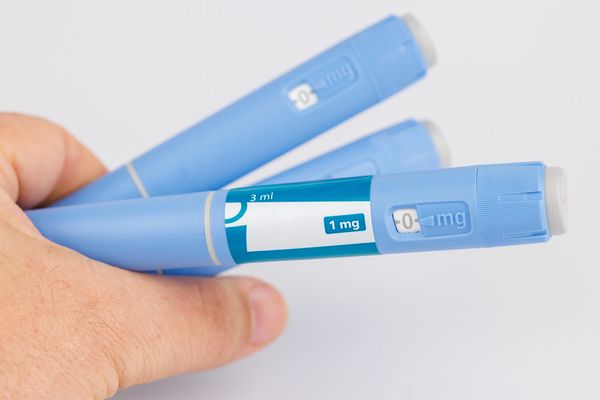
If you have insurance, we will work with it. If prior authorization is required for your medication, our office handles that process. If a PA is denied, we don't leave you without options. We discuss what comes next, including whether a different covered medication or an out-of-pocket approach makes sense for your situation.
Schedule OnlineThe Role of Medication in Obesity Treatment
Medications like Ozempic, Wegovy, Mounjaro, and Zepbound have gotten a lot of attention, and some of it has been alarming. The concerns you may have read about, things like nausea, muscle loss, or what happens when you stop, are worth discussing openly. These are real considerations, not reasons to avoid treatment, but reasons to have a doctor who is paying attention.
GLP-1 medications work by affecting hormones that regulate appetite and blood sugar. They are among the most effective tools available for obesity treatment, and they are also medications that require monitoring and a plan. Dr. Gougian is a Diplomate of the American Board of Obesity Medicine, which means she has specialized training in exactly this: how these medications work, who benefits from them, how to manage side effects, and how to think about long-term use.
What to Expect From Obesity Medicine Care
Your first visit is a conversation. Dr. Gougian will review your history, ask about what you've tried before, order relevant labs, and talk through what treatment options make sense. You won't be told to eat less and move more and sent home. You also won't be pushed toward a medication you're not comfortable with.
Follow-up visits are where the real work happens. Adjusting medications, reviewing labs, checking in on how you're feeling. The same doctor, every time. No starting over with someone new who doesn't know your story.
Frequently Asked Questions
Is obesity a medical condition that can be treated by a family doctor?
What is the difference between a weight loss program and obesity medicine?
Do I qualify for obesity treatment if my BMI is not extremely high?
Ready to Talk to a Doctor About This?
Pandora Family Medicine is at 6300 Baltimore Ave, University Park, MD 20782. Call us at 301-200-0960 to schedule. New patients are welcome, and if you have questions before booking, we are happy to answer them.