
High cholesterol · Lipid panel · Cardiovascular risk · Heart health
High Cholesterol and Heart Risk, Managed by Your Family Doctor
Dr. Rachel Gougian at Pandora Family Medicine manages cholesterol, triglycerides, and cardiovascular risk as part of your overall health picture. No referral needed. No separate specialist. Just your doctor, who already knows you.
At a glance
- On-site lipid panel and lab draws
- No referral required
- Same doctor every visit
- Medication management and follow-up in one place
- Diplomate, American Board of Obesity Medicine (D-ABOM)
- ★ 4.7 Google rating
What We Check and Why It Matters
A standard lipid panel measures four things: total cholesterol, LDL (the kind that builds up in artery walls), HDL (the protective kind), and triglycerides. Together, they give a clear picture of where your cardiovascular risk actually stands, not just whether one number is too high.
We look at your lipid results alongside your blood pressure, blood sugar, weight, family history, and age. That full picture is what determines whether you need a lifestyle change, a medication, or both. A high LDL in a 35-year-old with no other risk factors means something different than the same number in someone with diabetes and a family history of heart disease.
For most adults without known heart disease, a lipid panel every four to six years is standard. If you have elevated risk, are on cholesterol medication, or are managing a condition like diabetes or obesity, we check more often. Your doctor decides the right interval for you, not a protocol written for someone else.
Treatment Options: Lifestyle, Medication, and Monitoring
There is no single right answer for high cholesterol. What works depends on your numbers, your overall health, and what is realistic for your life.
Lifestyle first, when it applies
For some patients, changes to diet and physical activity move the numbers enough that medication is not needed right away. We talk through what is actually achievable, not a generic handout about eating more vegetables. If lifestyle changes are the right starting point, we track your progress and adjust from there.
Medication, when it helps
Statins are the most commonly prescribed cholesterol medications, and for good reason. They are well-studied, effective, and appropriate for a wide range of patients. We also prescribe other classes of cholesterol-lowering medications when statins are not the right fit or when additional treatment is needed. If you are already on a cholesterol medication and it is not working well, or if you are having side effects, that is worth a conversation.
GLP-1 medications and cardiovascular risk
Medications like Ozempic and Mounjaro were originally developed for blood sugar control, but the research on cardiovascular outcomes is significant. Both have demonstrated reductions in heart attack and stroke risk in patients with established cardiovascular disease or high risk. If you are already exploring weight loss treatment with a GLP-1 medication, that same medication may be doing meaningful work on your heart risk at the same time. We manage both, together, at the same practice.
Ongoing monitoring
Starting a medication is not the end of the process. We recheck your lipid panel after you have been on treatment long enough to see a real effect, adjust the dose if needed, and keep an eye on liver function and muscle symptoms if you are on a statin. Follow-up happens here, with the same doctor, not a phone nurse reading from a chart.
What if my PA gets denied?
If a prior authorization for a cholesterol medication is denied, we do not just send you a letter and move on. We review the denial, determine whether an appeal makes sense, and talk through your options, including whether a different medication might accomplish the same goal. You will know what happened and what comes next.
We know the timeline matters. Many patients are working against an interview date or a request for evidence, and we schedule and process exams with that in mind. The exam is a flat fee quoted before you book; blood tests and vaccines are itemized and added only if you need them, so there are no surprise costs.
How Lipid Management Connects to Weight and Metabolic Health
High cholesterol, high triglycerides, high blood sugar, and excess weight are not four separate problems. They are often different expressions of the same underlying metabolic pattern. Treating one in isolation while ignoring the others rarely produces lasting results.
Dr. Gougian holds the Diplomate of the American Board of Obesity Medicine (D-ABOM), a credential that reflects advanced training in how weight, metabolism, and chronic disease interact. That background shapes how she approaches lipid management. When your triglycerides are elevated and your HDL is low, that combination often points toward insulin resistance, and addressing the root cause matters as much as adjusting the numbers.
Patients who come to Pandora Family Medicine for weight loss treatment and patients who come for cholesterol management are often dealing with overlapping conditions. We connect those dots. If your lipid panel suggests metabolic dysfunction, we can also offer a metabolic health assessment to look at the full picture, including blood sugar, insulin, and inflammation markers. Reducing cardiovascular risk is one of the central goals of that work.
Elevated cholesterol and triglycerides are among the most common drivers of cardiovascular disease, heart attack, and stroke. Managing your lipid levels is one of the most direct ways to reduce that risk. We treat lipid management as a key part of your cardiovascular health, not a number to hand off to a cardiologist unless there is a specific reason to do so.
Schedule OnlineWhat to Expect at Your Lipid Management Visit
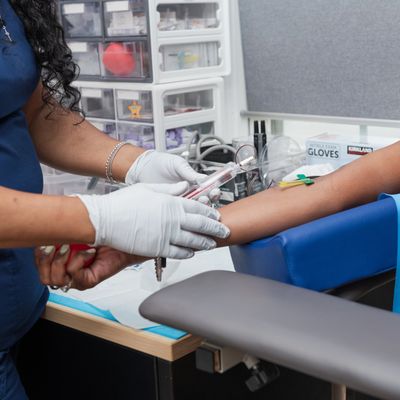
Your first visit starts with a conversation. We review your current numbers if you have them, your personal and family history, any medications you are already taking, and what has or has not worked before. Blood is drawn in the office, so there is no separate lab visit.
If you are a new patient, this visit also gives us a chance to get to know your full health picture. Established patients already have that foundation in place, which means we can move directly to what needs attention. Either way, you leave with a clear plan, not a stack of referrals.
Examen médico de inmigraciónToda la información de esta página, en español.Ver en españolDo I Need a Referral to See a Doctor for High Cholesterol?
No referral needed. You can call or book online directly. Most patients with high cholesterol do not need a cardiologist, they need a family doctor who takes the time to look at the whole picture. That is what we do here.
We accept Medicare and Medicaid, along with most major insurance plans. If you have questions about coverage before you book, call us at 301-200-0960 and we can check.
- No referral required
- Medicare and Medicaid accepted
- On-site lab draws, no separate visit
- Same doctor for every follow-up
- University Park, MD — easy access from Route 1
- Serving College Park, Hyattsville, Takoma Park, Silver Spring, and Washington, DC
- See all services →
Before You Book
Do I need a referral to see a doctor for high cholesterol?
What is included in a lipid panel and how often should I get one?
Can my family doctor manage my cholesterol, or do I need a specialist?
Ready to Get Your Numbers Under Control?
Book online or call us at 301-200-0960. We are at 6300 Baltimore Ave, University Park, MD 20782. New patients are welcome, and most appointments are available within the week.